Advancements and Patterns Shaping the Future of Aluminum Casting in Engineering Solutions
Developments in aluminum casting are changing design options. Developments in casting methods, especially high-pressure die casting and investment casting, are enhancing accuracy and style versatility. Automation and wise technologies play a vital role in maximizing manufacturing performance. At the same time, sustainability is coming to be a priority, with environmentally friendly products getting traction. As these fads advance, they will certainly redefine industry criteria and consumer expectations. What ramifications might these changes hold for the future of production?
Advancements in Casting Strategies
The Role of Automation in Aluminum Casting
Automation plays an essential function in enhancing the aluminum casting procedure by considerably enhancing production effectiveness. By incorporating innovative technologies, makers can streamline operations and reduce cycle times (Aluminum Castings). Additionally, automation contributes to improved quality assurance, guaranteeing constant product requirements and lessening flaws
Increased Production Efficiency
Transforming the aluminum casting market, automation considerably improves production effectiveness. Automated systems simplify numerous phases of the casting process, minimizing hands-on labor and lessening human mistake. High-speed robotic arms can exactly deal with molds, ensuring consistent and rapid production cycles. On top of that, progressed computer system algorithms enhance the scheduling and management of resources, bring about lowered downtime and enhanced operations. Automation additionally permits for real-time surveillance and modifications, allowing manufacturers to respond promptly to any type of operational issues. By applying automated processes, companies can enhance output while keeping cost-effectiveness. Eventually, this shift in the direction of automation not only boosts productivity yet likewise positions makers to satisfy the expanding needs of the marketplace with better dexterity and sustainability.
Boosted Top Quality Control
A considerable improvement in aluminum casting is the integration of automatic quality control systems, which boost product consistency and minimize defects. These systems make use of advanced sensing units and information analytics to check the casting procedure in real-time, permitting prompt adjustments based upon top quality metrics. Automation lessens human error and enhances the integrity of evaluations, making certain that each component satisfies rigorous specifications. By carrying out machine discovering algorithms, manufacturers can anticipate possible failings and proactively address issues before they rise. This not only enhances the total top quality of aluminum products however additionally simplifies the production process, causing raised efficiency and cost financial savings. Ultimately, enhanced quality assurance with automation stands for a transformative action in the aluminum casting market.
Smart Technologies and Sector 4.0 Integration
The integration of smart innovations and Market 4.0 in aluminum casting is revolutionizing production procedures. With the Net of Things (IoT) enhancing real-time surveillance, automation and robotics are streamlining operations, while data analytics offer important understandings for optimization. These developments are setting new requirements for performance and accuracy in the market.
IoT in Casting Procedures
How can the combination of IoT innovations improve the effectiveness and precision of aluminum casting processes? The application of IoT in casting makes it possible for real-time surveillance of temperature level, stress, and various other important criteria, making sure ideal problems throughout manufacturing. Sensors attached to the cloud can accumulate and analyze information, promoting anticipating maintenance and decreasing downtime. By using intelligent formulas, makers can determine anomalies that might bring about flaws, consequently improving quality control. Furthermore, IoT modern technologies allow smooth interaction between machines, enabling collaborated operations and resource optimization. This interconnectedness not only streamlines operations however also boosts decision-making abilities, inevitably causing significant price savings and greater efficiency in aluminum casting operations.
Automation and Robotics Advancements
While the combination of automation and robotics is transforming the aluminum casting industry, improvements in smart modern technologies and Market 4.0 are driving extraordinary effectiveness and precision. Automated systems now manage repetitive jobs, decreasing human mistake and enhancing manufacturing rates. Robotics in casting processes enables enhanced handling of intricate forms and delicate parts, guaranteeing regular high quality. In addition, using collective robots, or cobots, improves employee safety and security by taking over harmful operations. Smart innovations facilitate real-time tracking and changes, optimizing assembly line without hand-operated intervention. As these innovations progress, they develop a more nimble and receptive manufacturing setting, making it possible for companies to adapt promptly to market needs and boost total competitiveness in the aluminum casting sector.
Data Analytics for Optimization
As automation and robotics continue to reshape the aluminum casting industry, the consolidation of information analytics becomes an important part of Smart Technologies and Industry 4.0. By leveraging huge datasets generated throughout the production process, makers can identify inefficiencies, optimize workflows, and improve product high quality. Advanced algorithms and maker understanding devices make it possible for click for more info anticipating upkeep, reducing downtime and minimizing functional expenses. Furthermore, real-time information analysis supports informed decision-making, allowing for nimble reactions to market demands. The integration imp source of information analytics not only simplifies manufacturing processes however likewise fosters technology in item growth. As the market progresses, accepting data-driven techniques will be essential for companies intending to preserve competitive benefits and attain sustainable development in the aluminum casting market.
Additive Manufacturing in Aluminum Solutions
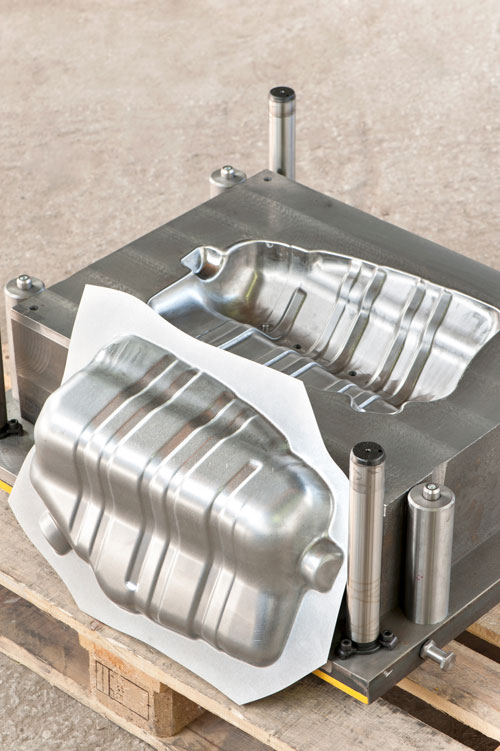
Moreover, additive production speeds up the prototyping process, making it possible for quick iteration and style optimization. It helps with the modification of components, satisfying particular client needs without the restraints of traditional casting methods. The combination of advanced software devices aids in simulating and improving layouts prior to production, making sure effectiveness and precision. As the aluminum casting landscape advances, additive production attracts attention as a transformative force, cultivating technology and opening brand-new avenues for design options throughout different sectors.
Sustainable Practices and Recycling Initiatives
Lasting practices and reusing initiatives are coming to be progressively essential in the aluminum casting market, offered the growing focus on environmental obligation. Manufacturers are embracing approaches that minimize waste and power intake, thus lowering their carbon footprint. One famous fad is the use of recycled aluminum, which needs substantially less energy to procedure compared to key aluminum manufacturing. This change not only saves all-natural sources but likewise lowers greenhouse gas emissions.
On top of that, innovative casting techniques, such as die-casting and sand casting, are being enhanced for sustainability, improving product efficiency. Companies are likewise investing in closed-loop systems that facilitate the reprocessing of scrap metal produced throughout manufacturing. Cooperations with reusing companies are cultivating an extra reliable reusing framework, ensuring that aluminum products have a longer lifecycle. Collectively, these initiatives underscore the market's dedication to sustainability while fulfilling the expanding need for ecologically liable remedies in engineering applications.
Lightweight Products for Boosted Efficiency
The aluminum casting sector is not just concentrating on sustainability yet additionally on the see post growth of light-weight products that improve performance across different applications. These materials are increasingly crucial in fields such as auto, aerospace, and customer electronics, where decreasing weight can result in improved fuel performance and total efficiency. Advanced aluminum alloys and compounds are being engineered to achieve superior strength-to-weight proportions, allowing producers to create parts that are both durable and lightweight.
Developments in casting strategies, such as high-pressure die casting and financial investment casting, help with the manufacturing of complex designs while decreasing material waste. This shift in the direction of lightweight products is not only changing product styles however additionally driving competitive benefits in performance and performance. As markets remain to prioritize weight decrease, the need for advanced aluminum casting remedies will likely grow, placing lightweight products as a foundation of future design technologies.
Meeting the Needs of Eco-Conscious Consumers
As consumers significantly prioritize eco-friendliness in their purchasing decisions, the aluminum casting sector is adapting to satisfy these evolving needs. Manufacturers are now concentrating on lasting practices, such as using recycled aluminum, which considerably minimizes power consumption and greenhouse gas discharges contrasted to primary aluminum production. Aluminum Castings. This change not just conserves natural sources yet also allures to ecologically aware customers
Additionally, ingenious casting methods are being created to reduce waste and improve power efficiency during production. Business are additionally checking out eco-friendly finishes and environmentally friendly ingredients to better reduce their environmental impact.
Openness in supply chains is coming to be essential, with brands supplying information about their sourcing and manufacturing processes. By aligning with the values of eco-conscious consumers, the aluminum casting industry is positioning itself for a sustainable future, showing that ecological duty can exist side-by-side with high-quality design solutions.
Frequently Asked Questions
What Industries Largely Make Use Of Aluminum Casting Solutions?
Aluminum casting solutions are largely used in automotive, aerospace, and customer goods sectors. These sectors take advantage of aluminum's lightweight residential properties, corrosion resistance, and convenience, making it an optimal selection for various applications and components.
Exactly How Does Aluminum Casting Compare to Other Steel Casting Approaches?
Light weight aluminum casting offers lightweight residential or commercial properties, superb corrosion resistance, and great thermal conductivity contrasted to various other steel casting methods. Aluminum Castings. Its convenience and performance make it a preferred option in numerous applications, particularly in automobile and aerospace markets
What Certifications Are Very Important for Aluminum Casting Manufacturers?
What Are Typical Flaws in Aluminum Casting and Their Reasons?
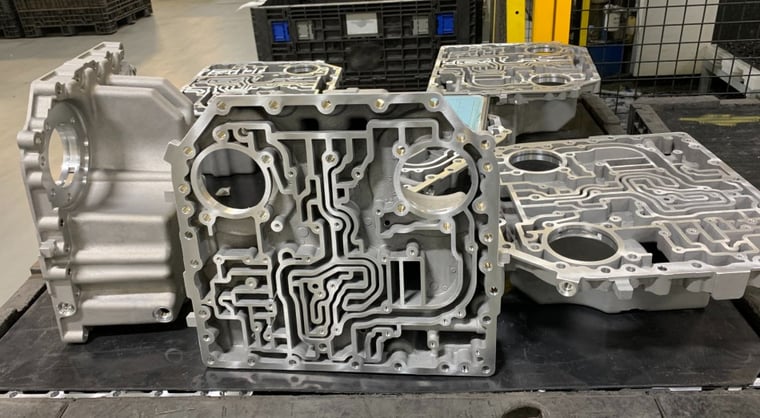
Common flaws in aluminum casting include porosity, shrinking, and surface area blemishes. These issues usually occur from inappropriate pouring methods, insufficient temperature level control, and contamination, affecting the structural honesty and aesthetic quality of the last item.
Exactly How Can I Select the Right Aluminum Alloy for My Project?
Selecting the ideal aluminum alloy entails thinking about variables such as mechanical buildings, rust resistance, thermal conductivity, and application needs. Assessing these requirements aids assure peak performance and longevity for the certain project concerned.